
A new dimension of remembrance.
A story you can step inside.
A personal, respectful and moving space bringing photographs, videos, voices and memories into a life story you can experience and share.
Giving memories a place.
And a story that stays with us.
The virtual gallery lets families, communities and future generations get to know a person through the milestones of their life. Rather than simply viewing an album, visitors move through a space created specifically for that person's story.
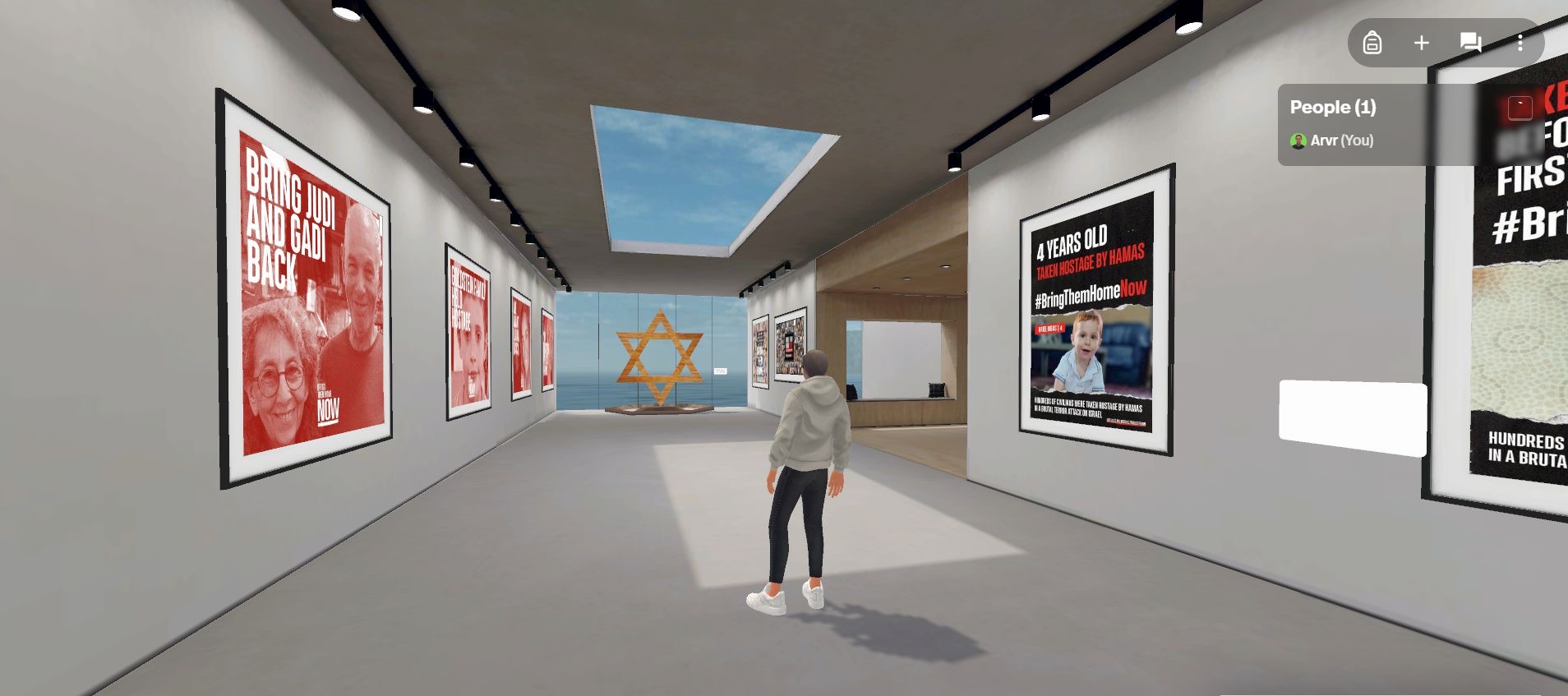 Memory • Family • Community
Start with the need.
Build toward everyday use.
Gathering the story and materials
Together, we choose the life milestones, photos, voices and memories that matter most to preserve.
Developing a concept and visual world
We design a visual space and the way visitors will encounter the story.
Building and approving the gallery
We incorporate the materials and submit the gallery to the family for approval before it is shown.
Launching and supporting the presentation
We adapt the experience for a family gathering, event or community activity.
What it looks like
in the real world.
What should you know?
What materials should we prepare?
Photos, videos, recordings, letters and stories from family and friends. Together, we choose the materials and the order in which they appear.
Who is the gallery for?
Families, communities, schools and organizations that want to share a life story in a personal, respectful space.
How is the gallery presented at an event?
We plan the presentation around the venue, audience and available equipment, and train the people who will guide visitors through the experience.
Who approves the materials and the audience?
Before publication, we agree with the family on who approves the version, who may view it and what permissions are required for photos, videos and music. Having access to material does not automatically grant the right to publish it.
How long is the gallery available, and can it be updated or copied?
Hosting duration, update options, viewing without a headset, backups, export and what happens when the service ends must be specified in the proposal. This page does not promise indefinite hosting.
What equipment is needed, and is a computer or internet connection required?
Requirements depend on the scenario and headset model. Before ordering, confirm a specification covering headsets, controllers if needed, a computer or display, network access, operating space and charging. Standalone headset operation, casting to a screen and offline use must be checked in the proposed system—not assumed.
How are licensing and pricing determined?
The quotation should distinguish equipment, existing content, customization, development, training and support. Define whether the license applies to a device, user or site, how long it lasts, which updates are included and what happens at the end. There is no single price or licensing plan that fits every project.
What is ready to use, and what needs customization or development?
During the demo, we will check which existing scenario fits your needs and what changes are needed to the model, language, protocol or feedback. Existing content, scenario customization and new development have different scopes; the proposal should state explicitly what you will receive.
How long does implementation take?
Implementation time depends on equipment availability, content scope, organizational approvals, customization and the team's ability to participate in a pilot. After requirements are defined, milestones cover content and specification approval, testing, operator training, the pilot and the expansion decision. A delivery date is set for the specific proposal.
What does training include, and who operates the system day to day?
Agree in advance who the local operator will be and what they need to know: starting and ending sessions, choosing content, supporting the user, handling common issues and following the manufacturer's cleaning instructions. Training scope, supporting materials and training for additional operators should be included in the proposal.
What support is provided, and what happens when a protocol changes?
Agree on the contact channel, service hours, equipment warranty, software and content updates, and issue-handling process. A protocol change also requires content review and professional approval. Response times, on-site service and updates vary by project and should be confirmed in writing.
What should we ask about privacy and data?
Before use with participants, map what data is collected, if any, where it is stored, who can access it, for how long, and how it can be deleted or exported. Also review device accounts, screen casting and service providers. Requirements and any necessary data-processing agreement are reviewed with the organization before implementation; this page does not claim compliance with a particular security standard.
